3 hr
Chicago: Chinatown Guided Food and Cultural Walking Tour
Explore Chicago’s Chinatown through five delicious food stops and rich cultural landmarks.
Reserve
Hand-picked by our editors — only the best 5 culinary walks from 18 reviewed
Verified partners for every tour, free cancellation where available, and instant confirmation on every booking.
3 hr
Explore Chicago’s Chinatown through five delicious food stops and rich cultural landmarks.
Reserve
2 hr
Uncover the haunted legends and dark gangster history of Chicago's South Loop on a 2-hour guided walk.
Reserve
2 hr
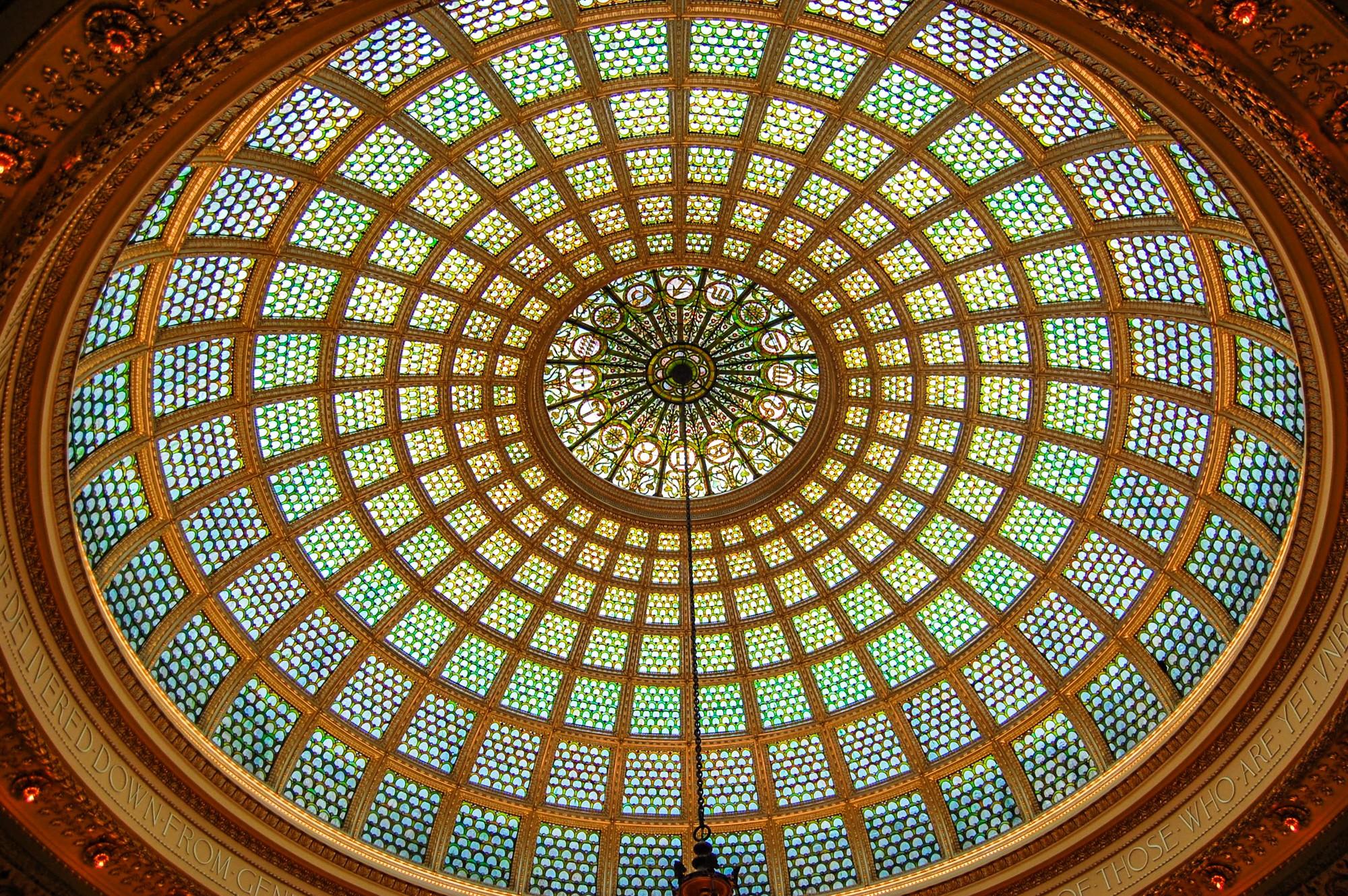
Step inside Chicago's iconic Loop buildings to discover breathtaking mosaics, hidden domes, and Gilded Age history.
ReservePrices from verified partners. Availability updates in real time at checkout. Free cancellation policies apply where shown.
The landmarks, rooms, and views travelers on this tour remember — all visible on a single visit.
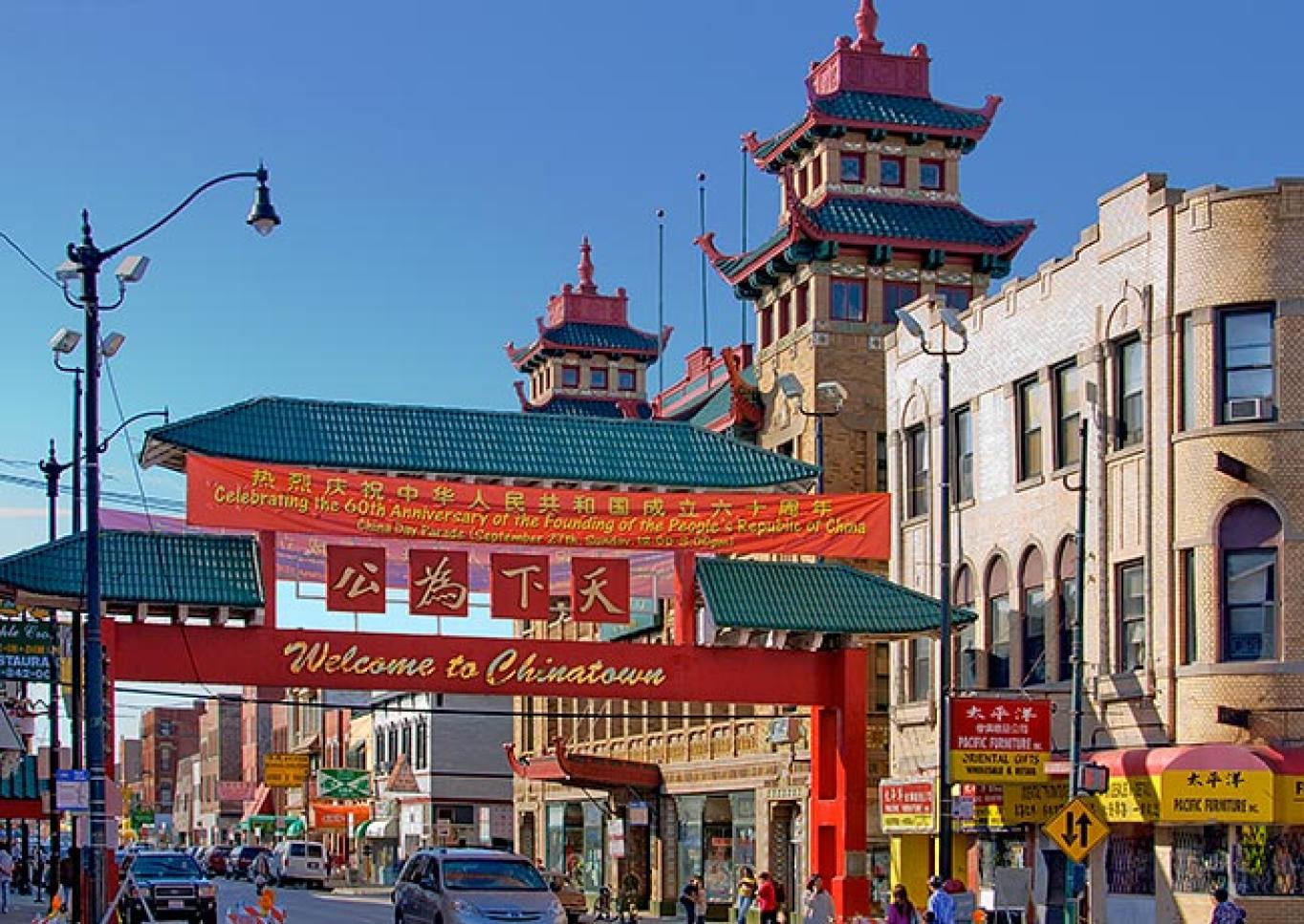
Designed by Peter Fung in 1975, this iconic red-and-gold archway serves as the main entrance to the neighborhood and a central photo spot.
This vibrant, jewel-toned mural features nine dragons and is a symbolic reproduction of the famous landmark in Beijing.
Formerly the On-Leong Merchants Association building, this 1920s landmark is famous for its ornate pagoda-style roof.
Located on the riverfront, this park offers panoramic views of the city skyline and serves as a quiet escape from the city streets.
This outdoor mall hosts various cultural statues and is a hub for authentic regional Chinese dining and local boutiques.
They complement each other; most visitors who do both call the Chicago Food, History & Architecture Walking Tour the broader urban experience, whereas the chicago chinatown walking & food tour provides deeper niche immersion.
| Feature | Top pick Chinatown Walking & Food Tour | Food, History & Architecture Tour |
|---|---|---|
Geographic Scope |
Chinatown district only | City-wide locations |
Primary Focus |
Regional culinary traditions | Architecture and diverse city eats |
Duration |
3 hours | 2.5–3.5 hours |
Group Size |
Small group format | 10–20 participants |
Depth of Cultural Commentary |
High cultural specificity | Broad city narratives |
Ideal Visitor Profile |
Culinary enthusiasts | First-time city visitors |
| See tickets → |
Verdict: Choose the chicago chinatown walking & food tour tickets if you prefer a focused regional deep dive, or select chicago chinatown walking & food tour tours for a comprehensive overview of city landmarks and various chicago chinatown walking & food tour tour experiences.
Choose your ticket, select your date, and reserve in under two minutes. Secure checkout handled by our verified partner.
Instant confirmation by email, with a mobile voucher you can save offline. No printing, no queuing at a collection desk.
Arrive at the entrance, show your voucher on your phone, and walk in. Most tickets include priority or skip-the-line access.
Practical details for your visit straight from our verified partners — hours, access, rules, and how to get there.
Wear comfortable walking shoes and clothing suitable for the day's weather, as most chicago chinatown walking & food tour activities take place outdoors.
Avoid bringing large bags or luggage, as they are generally prohibited on the chicago chinatown walking & food tour due to the walking-heavy nature of the experience.
Photography is encouraged at major chicago chinatown walking & food tour landmarks, though please be respectful of residents and private businesses.
While the neighborhood is largely flat, guests should check specific tour operator policies regarding accessibility for mobility aids on the chicago chinatown walking & food tour.
The chicago chinatown walking & food tour is family-friendly, though check age-specific requirements for food-heavy packages.
Most chicago chinatown walking & food tour packages include pre-selected tastings at local eateries; notify the operator of dietary restrictions during booking.
Best time to go, insider tips, nearby landmarks, and the cancellation fine print — flip through to skim what matters to you.
Flexible, no hidden fees.
Full refunds are typically available for cancellations made up to 72 hours before the scheduled start time. Participation in any chicago chinatown walking & food tour requires advance booking at package price, with 0 USD entrance fee for the neighborhood itself.
Chicago's Chinatown emerged in 1912 when developers opened a cluster of buildings along Cermak and Wentworth avenues, anchored by a ceremonial gate installed in 1975 to mark the neighborhood's formal boundary. The district expanded south into a second commercial corridor along Archer Avenue during the 1990s, doubling its footprint and introducing a generation of Cantonese, Szechuan, and northern Chinese restaurants that transformed the enclave into one of the Midwest's densest concentrations of regional Chinese cuisine. Today the neighborhood supports more than sixty restaurants, bakeries, and teahouses within a twelve-block radius, serving a resident population that maintains Cantonese as a primary language and observes lunar calendar festivals with public processions and market fairs. The Chicago Chinatown walking & food tour reveals layers of culinary tradition embedded in storefronts that have operated under family ownership for three and four decades. Bakeries still produce mooncakes and pineapple buns using recipes carried from Guangdong province. Herbalists stock dried ginseng, goji berries, and medicinal teas behind glass counters unchanged since the 1980s. Dim sum parlors wheel stainless-steel carts through dining rooms at midday, offering har gow, siu mai, and turnip cakes in bamboo steamers. The neighborhood's architecture blends utilitarian Chicago brick with decorative tilework, red-painted facades, and pagoda-style rooflines added during successive renovation campaigns in the 1980s and 2000s. Culinary walking experiences in Chinatown emphasize tasting over lecture, guiding participants through markets, noodle shops, and teahouses while contextualizing ingredients, preparation methods, and regional distinctions. Tours typically include five to seven stops, sampling items such as barbecue pork buns, soup dumplings, bubble tea, almond cookies, and hand-pulled noodles. Guides explain the significance of red-bean paste, the difference between Cantonese and Szechuan chili oil, and the role of communal dining in immigrant foodways. The neighborhood's compact geography allows visitors to traverse the commercial core on foot within ninety minutes, encountering family-run operations that rarely advertise beyond bilingual signage and word-of-mouth referrals. Weekend mornings bring the highest pedestrian traffic, when residents queue at bakeries and dim sum parlors fill to capacity before noon.

"The district supports more than sixty restaurants, bakeries, and teahouses within a twelve-block radius."
A step-by-step walkthrough of the visit — what you'll see, how long each stage takes, and the details that matter.
You meet your group at the Chinatown Gate on Cermak Avenue at ten in the morning, where red pillars frame the entrance to Wentworth Avenue's commercial corridor. Your guide leads you south past herb shops and jewelry stores into a dim sum parlor, where you sample shrimp dumplings and pork siu mai still warm from the steamer. You continue to a bakery counter stocked with egg tarts and coconut buns, tasting a flaky pastry filled with red-bean paste while your guide explains the Cantonese tradition of midday tea service. The route turns onto Archer Avenue, passing murals that depict the neighborhood's settlement history and the construction of the Chicago and Western Indiana Railroad. You stop at a noodle shop to watch cooks stretch dough by hand, then taste a bowl of wonton soup seasoned with white pepper and sesame oil. Your guide points out the differences between northern wheat-based noodles and southern rice noodles, then takes you into a teahouse where you sample oolong and jasmine varieties served in small ceramic cups. The final stop is a market where dried seafood, pickled vegetables, and imported sauces line shelves beneath fluorescent lights, offering a glimpse into the ingredients that anchor home cooking in the neighborhood's apartments and rowhouses.
The tour currently operates Friday through Sunday, 10:00–13:00.
The entrance fee to the neighborhood is 0 USD, but tour participation requires advance booking at package price.
Most tours meet at the Chinatown Gate, Chicago, IL 60616.
Accessibility varies; please verify specific tour operator policies before purchasing your chicago chinatown walking & food tour tickets.
The chicago chinatown walking & food tour includes curated food tastings, so bringing your own meal is typically unnecessary.
We recommend arriving by the best arrival window of 10:00–10:00 for a prompt departure.
Age requirements vary by operator; please confirm requirements for your chicago chinatown walking & food tour tickets during the booking process.
Yes, notify your tour operator of any dietary needs during the booking process for the chicago chinatown walking & food tour.
Most tours run rain or shine, but contact your operator to confirm status during severe weather.
Yes, paid parking lots are available near the Chinatown Gate, though public transit is highly recommended for the chicago chinatown walking & food tour.