English| EUR
Suggested for you
More currencies
Choose a language
Navigating a neighborhood packed with regional Chinese cuisines requires a plan. This guide helps you identify the essential dishes that define the area's gastronomic identity.
Quick answer
When deciding what to eat in Chinatown Chicago, plan your culinary exploration between 11:00 and 20:00 for peak restaurant availability. Start with traditional Cantonese dim sum and juicy soup dumplings, transition to fiery Szechuan peppercorn specialties like Mapo tofu, and finish with sweet egg tarts from the local bakeries.
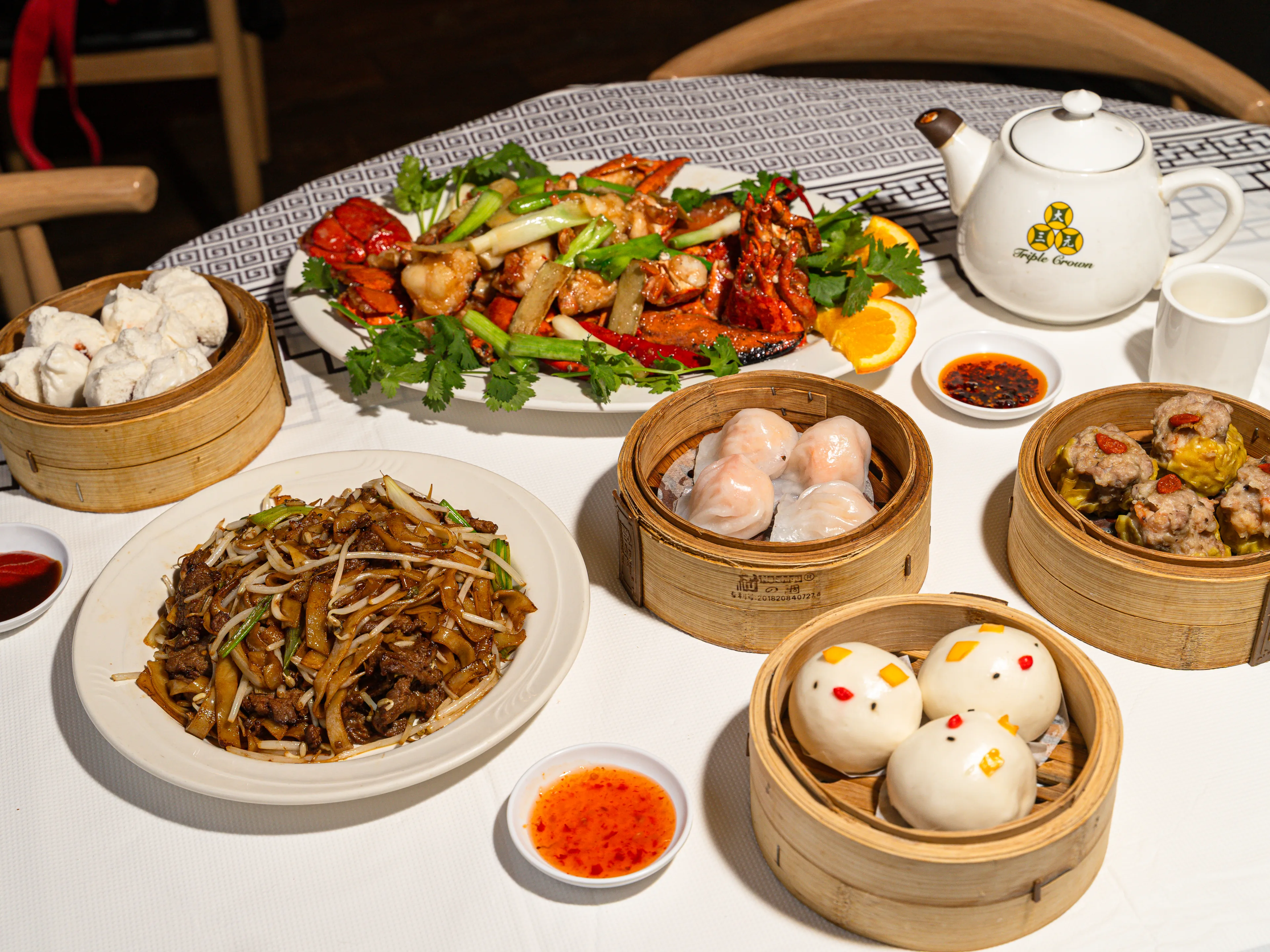
Chicago's Chinatown is one of the few historic Chinese neighborhoods in North America that continues to grow in both population and physical footprint. As the borders expand, so does the sheer variety of regional cuisines brought to the Midwest. Visitors wondering what to eat in Chinatown Chicago will find an evolving landscape that stretches far beyond the classic American-Chinese staples of the past century. Today, the culinary scene offers a masterclass in regional authenticity. Understanding the local specialties allows visitors to build a balanced tasting itinerary, experiencing everything from the delicate folding techniques of coastal dumpling houses to the intense spice profiles of the inland provinces. The foundation of the neighborhood's dining culture remains firmly rooted in traditional Cantonese fare. A proper morning begins with dim sum, characterized by bamboo steamers filled with translucent har gow (shrimp dumplings) and tender siu mai (pork dumplings). Moving into the afternoon, the focus shifts toward masterfully prepared Cantonese roast meats. Char siu (barbecue pork) and crispy-skinned roast duck are prominently displayed in the glass windows of long-standing eateries along Wentworth Avenue. These proteins are typically chopped to order and served simply over steamed rice, allowing the complex marinades and slow-roasting techniques to shine. Soup dumplings, or xiao long bao, offer another essential experience. Biting into these delicate wrappers releases a rich, savory broth that requires careful navigation to enjoy properly without spilling. Beyond the southern coastal traditions, fiery Sichuan dishes have firmly established themselves within the community. The unmistakable numbing sensation of Szechuan peppercorns defines plates of Mapo tofu and twice-cooked pork, bringing intense heat and deep fermented flavors to the table. Balancing this spice requires a trip to the traditional bakeries anchoring Chinatown Square. Sweet and savory pastries provide the perfect conclusion to any meal. Flaky egg tarts, soft baked pork buns, and sesame balls filled with sweet red bean paste are baked fresh daily. Whether you join a dedicated Chicago Chinatown food tour or navigate the bustling avenues independently, building a diverse menu ensures a comprehensive taste of the neighborhood. Using a what to eat in chinatown chicago guide ensures you experience the full spectrum of these regional culinary treasures.
“The culinary scene offers a masterclass in regional authenticity, stretching far beyond classic American-Chinese staples.”
Chicago Chinatown offers a diverse culinary landscape ranging from traditional dim sum halls to specialized noodle shops. Visitors can explore these signature flavors within the neighborhood's dense concentration of eateries.
restaurant
Known for traditional dim sum served via cart service, located on W Chinatown Square.
restaurant
Specializes in Cantonese-style roasted meats and noodle soups, situated on S Wentworth Ave.
restaurant
Features hand-pulled noodles and spicy Shaanxi-style dishes, located inside the Chinatown Square mall.
restaurant
Focuses on a variety of handmade dumplings with diverse fillings, found on S Archer Ave.
market
An open-air mall featuring various quick-service stalls and bubble tea shops, perfect for casual street-style snacks.
The best arrival window is 11:00–20:00, which offers the optimal balance of restaurant availability and the vibrant atmosphere of the neighborhood food scene. Visiting during this time ensures most kitchens are fully operational and prepared to serve local specialty dishes.
—
Restaurants are easier to access without long wait times. This is ideal for exploring various eateries at a steady pace.
—
The neighborhood experiences significant energy and activity. Expect longer waits for popular dining spots and busy pedestrian walkways.
Mild, 50–70°F
These seasons provide comfortable weather for walking between culinary destinations. Outdoor dining options are often pleasant during these temperate months.
Cold, 20–35°F
Indoor dining becomes the primary focus during colder periods. It is easier to secure seating at popular restaurants on weekdays.
Verdict: Plan your visit between 11:00–20:00 on a weekday during the milder months of May or September for the most efficient dining experience.
The Chinatown neighborhood remains accessible every day of the week to accommodate visitors interested in exploring local culinary offerings.
Chinatown is located on the South Side of Chicago, centered around the intersection of Cermak and Wentworth. The most accessible approach for visitors is via the Chicago Transit Authority (CTA) rail network.
CTA Red Line to Cermak-Chinatown station
CTA Bus Route 24 or 62 to Wentworth & Cermak
I-90/94 to W Cermak Rd exit
The Cermak-Chinatown station is located steps from the neighborhood entrance at 2301 S Wentworth Ave. To ensure the best experience, plan your visit during the 11:00–20:00 arrival window.
Navigating Chicago's Chinatown requires a mix of strategic planning and local awareness to maximize your culinary exploration.
Many smaller bakeries and dim sum spots prefer or exclusively accept cash, so carry small bills to expedite your transactions.
Do not limit your search to Wentworth Avenue; venture into the multi-level Chinatown Square mall to find hidden gems on the second floor.
If your schedule allows, visit on a Tuesday or Wednesday to avoid the heavy weekend crowds at popular dumpling and noodle houses.
Many modern establishments now use QR code menus for ordering; have your smartphone ready to scan for the most current menu offerings.
At traditional dim sum restaurants, leave the pot lid slightly ajar to signal to servers that you need a hot water refill.
At high-volume spots, designate one person to secure a table while others handle ordering, as seating is often self-serve during peak hours.
Everything you need to know about what to eat in chinatown chicago
Visitors seeking what to eat in chinatown chicago should prioritize staple dishes like dim sum, hand-pulled noodles, and Cantonese barbecue. Exploring local bakeries for egg tarts and BBQ pork buns is also a highlight of the district's culinary scene.
Joining a guided Chicago culinary tour provides context on regional cuisines that might otherwise be overlooked. These experiences help you navigate diverse menus and discover hidden gems efficiently.
The best arrival window for restaurant availability and peak atmosphere is 11:00–20:00. Arriving during this period ensures that most kitchens are fully operational and serving their complete menus.
Many neighborhood eateries offer approachable dishes like steamed dumplings and fried rice, making it simple to find what to eat in chinatown chicago with family. Most venues are casual and welcome diners of all ages throughout the day.
There is 0 USD entrance fee as the neighborhood is a public space. You only pay for the food and drinks you choose to purchase at individual establishments.
Guided neighborhood walks are an excellent way to learn what to eat in chinatown chicago while gaining insight into local history. These sessions often feature curated tastings that showcase the variety of authentic regional specialties.
The neighborhood maintains public access throughout the week, with operating hours from 00:00–23:59 daily. While the area is accessible at all hours, individual restaurant schedules may vary within those times.